今天就开始设计,选购最优惠的新年商品


业主可以从设计师如何规划翻新工程中学到什么
Updated 10/01/26
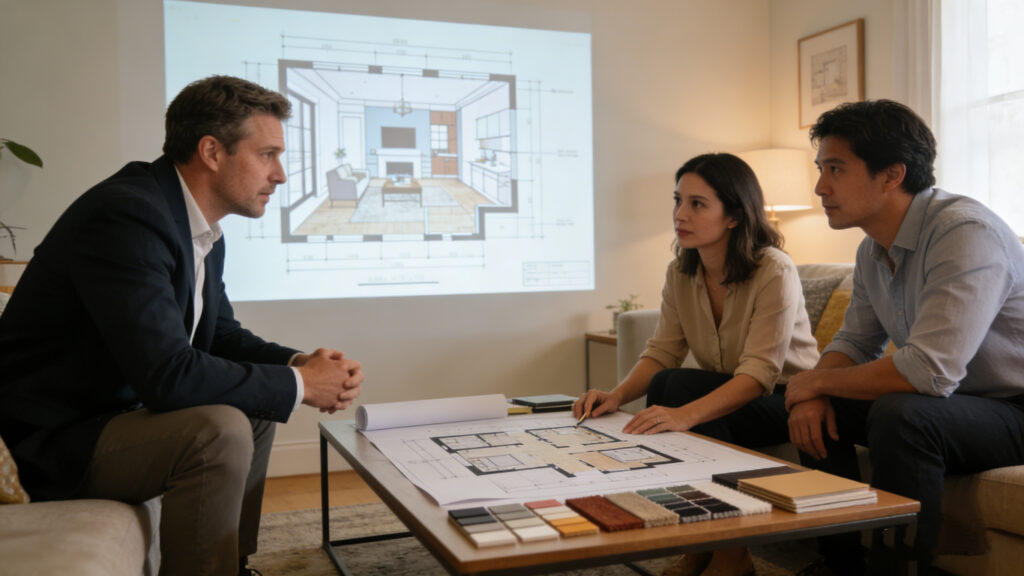
Embarking on a home remodel is often a journey fueled by inspiration—a stunning Pinterest board, a breathtaking showroom display, or a sleek full-house customization catalog. However, the transition from “inspiration” to “installation” is where many homeowners stumble.
Professional interior designers don't just "decorate"; they orchestrate. They manage the delicate balance between structural integrity, ergonomic flow, and aesthetic cohesion. For the discerning homeowner looking to elevate their living space, adopting a "designer’s mindset" is the secret to a remodel that adds both value to the property and joy to daily life.
Here are the professional strategies used by top-tier designers to plan flawless remodels.
The "Lifestyle First" Architecture
Most homeowners start by picking out a sofa or a kitchen backsplash. Designers start by asking: "How does this room need to function at 7:00 AM versus 7:00 PM?"
In the industry, this is called "programming." Before a single measurement is taken, designers map out the flow of human movement.
Master the Art of the "Spatial Envelope"
One common mistake in DIY remodeling is underestimating scale. Homeowners often buy furniture that is either too small (making the room feel disjointed) or too large (cluttering the space).

Designers use 3D modeling to visualize the “spatial envelope.” They look at the clearance zones—the 36 to 48 inches of space required for comfortable walking paths.
Utilize one-stop customization services that offer 3D visualization. Seeing a digital twin of your room ensures that your high-end bespoke cabinetry doesn’t just look good in a catalog but fits perfectly within your home’s unique dimensions.
The "Golden Thread" of Cohesion
A frequent pitfall in independent remodeling is the "Theme Park Effect"—where the kitchen is ultra-modern, the living room is mid-century, and the bedroom is traditional.
Designers establish a "Golden Thread"—a recurring element (a specific metal finish, a wood species, or a color palette) that weaves through every room.
When choosing full-house customization, select a signature material. If your custom kitchen features American Walnut accents, carry that same walnut into the built-in wardrobes in the master suite. This creates a sense of "architectural intentionality."

Lighting: The Invisible Architecture
Homeowners often treat lighting as an afterthought—a fixture to be picked once the furniture is in. To a designer, lighting is a primary building material.

Designers plan for three layers of light:
Task: Focused light for cooking, reading, or grooming.
Accent: Lighting that highlights art or furniture.
During the "bones" phase of your remodel, plan your electrical outlets around your furniture layout. A high-end sideboard deserves integrated LED strip lighting or a dedicated floor outlet for a designer lamp to avoid messy cords.
Prioritizing Quality Over Quantity (The "High-Low" Strategy)
In a full-house remodel, budgets can vanish quickly. Homeowners often try to save money by buying mid-grade items for everything. Designers do the opposite.
Designers invest heavily in "touchpoints"—the things you interact with every day. This includes hardware (handles), faucets, and, most importantly, seating and cabinetry.
It is better to have a perfectly executed, high-end custom walk-in closet that lasts 20 years than a cheap, prefabricated version that needs replacing in five. Focus your budget on the "bones" and the "bespoke."
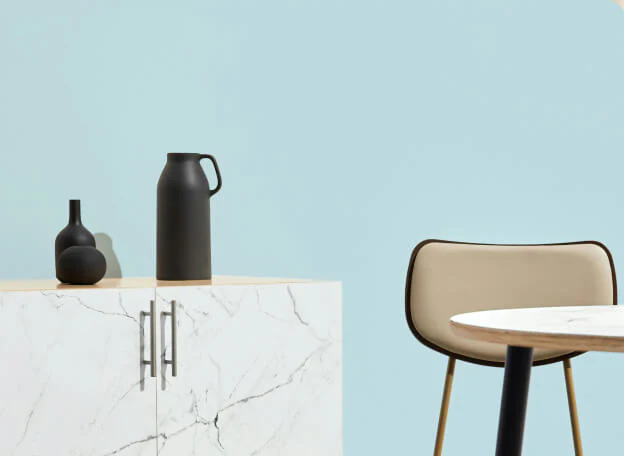
![{"data":{"product":"retouch","imageEffectId":"","playId":"","effect_id":"erase","os":"ios","activityName":"","infoStickerId":"","appversion":"13.7.0","effect_type":"tool","alias":"g0bewRJ+TTORkpaVtvrvFsRh5I59lMm7PtLV+MwN0FxAersxU2AVRc/nqO3Mpb3bBU1x7HSTwWtyD/w29m3rEgrIGZxguwq3f6VlsSXbueJo5pkcetD1SM387jFPkyxZYYDYTFquICnOrj0RVLJelAZ0sLxMNRYmNtpfvSMvm0KgchPllkeqCPuyN6236LAaj0AqCijdpH2CKA8rVJmwXvedBTv68UxcvYmUQOIfbJ44qrGsJgRd2xK+R3pID28WeOTdGrfvoSlIYUJukVK/x5AoHMWSuLjw0dWFwfLoTp+g9tgXu3Ok4J7+zvfDWo1ip8DzfU9NFBMWuhB79UqfWw==","filterId":"","capability_extra_v2":{"erase":[{"panel":"eliminatePen"}]},"stickerId":"","pictureId":"5A8ABE38-D99C-4E33-9E8A-4343312DFC6A","enter_from":"enter_launch","capability_key":["erase"]},"source_type":"douyin_beauty_me"}](https://georgefurniturehome.com/wp-content/uploads/elementor/thumbs/微信图片_20251222161721_1482_114-scaled-rhg1vnpqu3a6yyl4wvqx893ch16l92habms5i8sxhk.jpg "微信图片_20251222161721_1482_114")
| The Typical Homeowner | Phase | The Professional Designer |
|---|---|---|
| Buying individual furniture pieces. | Starting Point | Defining the floor plan and functional needs. |
| Choosing based on trends. | 建筑 | Choosing based on durability and “The Golden Thread.” |
| Managing 10 different contractors. | Vendor Management | Using a One-Stop Full-House Provider. |
| “When the furniture arrives.” | Timeline | Detailed milestones from “Grey Box” to “Styling.” |
The Power of "One-Stop" Customization
The modern luxury homeowner is often "time-poor." The greatest lesson to learn from designers is the value of integrated sourcing. Designers rarely shop at ten different retail stores; they work with trusted manufacturers who can provide a holistic solution.
Color Matching: Ensuring the "Off-White" in the kitchen matches the "Off-White" in the hallway built-ins.
Logistics: One delivery, one installation team, one point of accountability.
Longevity: Bespoke furniture designed to fit the house's specific angles utilizes every square inch of space.

The Final 5%: Styling and Curation
A remodel isn't finished when the last nail is driven. Designers spend days "propping" a space. This is where the house becomes a home.

A home remodel is more than a renovation; it is an investment in your quality of life. By shifting your perspective from "buying furniture" to "planning a space," you ensure that your home remains timeless, functional, and deeply personal.
At George Furniture Home, we have upgraded our three-to-one matching service. A designer and a stylist will be with you throughout the process, helping you determine the size, material, color and style, so that you can make a purchase with peace of mind.
客户服务。.
美国东部时间周一至周六,上午 9 点至下午 6 点。.
请致电我们。.
+86 18188718632
地址
禅城区季华四路卡萨陶瓷洁具市场24栋 中国广东省佛山市禅城区季华四路 中国广东省佛山市

产品比较
| 说明 |
| 价格 |
| 供应商 |
| 类型 |
| 产品变体 |
- 选择一个选项会刷新整个页面。.
- 在新窗口中打开。.
已添加到购物车