Jazyk/krajina


Najvyhľadávanejšie produkty
Najhľadanejšie kľúčové slová
Prečo je doba dodania nábytku novou kritickou cestou
Aktualizované 04/03/26
V krajine luxusných rekonštrukcií domov v roku 2026, “Podstatné dokončenie” sa stalo klamlivým míľnikom. Vidíme to príliš často: steny sú majstrovsky vymaľované, mramor je vyleštený do zrkadlového lesku, a záverečné kontroly prebehli - napriek tomu majitelia domov zostávajú v neistote, pretože ich izby sú len prázdnymi miestnosťami, v ktorých sa ozýva ozvena.
Realita modernej prestavby je taká, že dodacie lehoty nábytku-ktoré zahŕňajú špecializovanú výrobu, medzinárodný tranzit, a inštalácia v bielych rukavičkách sú v súčasnosti často dlhšie a menej predvídateľné ako fázy výstavby, ktoré majú dopĺňať. V spoločnosti George Group, sme presvedčení, že považovať nábytok za poslednú “štýlovú vrstvu” je strategická chyba. Dosiahnutie plynulého prechodu zo staveniska do luxusného bývania, obstarávanie sa musí považovať za hlavný faktor rozvrhu, integrované do kritickej cesty architektúry od prvého dňa.
Prečo je nábytok novým obmedzením plánovania
Obstarávanie nábytku nie je jediná transakcia, ale zložitý reťazec priemyselných a remeselných závislostí. “Hodiny času realizácie” sa začínajú počítať až po zmrazení špecifikácií, schválení povrchových úprav a zúčtovaní záloh. Zastaví sa až vtedy, keď je kus umiestnený, vyrovnaný a zbavený ochranného obalu.
Medzi týmito dvoma bodmi sa nachádza celý rad premenných: výrobné miesta v elitných remeselníckych dielňach, dostupnosť vzácnych surovín (ako napríklad orech triedy A z udržateľných zdrojov), prísne cykly kontroly kvality a globálna logistika prepravy. V prípade zákazkového projektu celého domu môže akýkoľvek výkyv v tomto reťazci ľahko spotrebovať “plávajúci čas”, ktorý je zvyčajne zakomponovaný do harmonogramu výstavby. Okrem toho nábytok definuje funkčné dokončenie domu. Primárny apartmán môže mať elektrinu a klimatizáciu, ale bez postele na mieru a integrovaného úložného priestoru zostáva nefunkčný. V roku 2026 je plán nábytku funkčným jadrom prestavby, nie dekoratívnym doplnkom.

Dekódovanie času realizácie: Pohľad za hranice povrchových čísel
Častým úskalím pre majiteľov domov je, že berú “16-týždňovú lehotu na vybavenie” za bernú mincu. V špičkovom sektore tento údaj zvyčajne predstavuje len čas strávený vo výrobnej hale. V spoločnosti George Furniture Group sprevádzame našich klientov “neviditeľnými fázami”, ktoré predlžujú časový harmonogram:
Predvýroba: To zahŕňa konečné merania na mieste, vypracovanie dielenských výkresov CAD pre vstavané skrine a fyzické schválenie “CFA” (Cutting for Approval) pre čalúnenie na mieru.
Postprodukcia: Zahŕňa to konsolidáciu v logistických centrách s kontrolovanou klímou, komplexné prijímacie kontroly a citlivú koordináciu dodávok “poslednej míle”.
Najčastejším problémom je pripravenosť lokality. Špičkové zákazkové drevené výrobky a jemné textílie si vyžadujú stabilnú vlhkosť a prostredie s kontrolovanou prašnosťou. Pri príliš skorej dodávke hrozí riziko nenapraviteľných škôd vo fáze “punch list”; pri príliš neskorej dodávke zostáva klient v neobývateľnom dome. Pri riadení nejde ani tak o statické číslo, ako skôr o zosúladenie výstupného okna dielne s pripravenosťou prostredia na stavenisku.
Ako položky s dlhým časovým odstupom menia kritickú cestu
Z hľadiska projektového riadenia sa nábytok dostáva do kritickej cesty vždy, keď je jeho inštalácia predpokladom pre nasťahovanie, profesionálne fotografovanie alebo konečné nasťahovanie. Dokonca aj keď nie sú technicky kritické, položky na mieru spotrebujú čas na nepredvídané výdavky projektu, pretože špičkové remeselné spracovanie je takmer nemožné urýchliť bez toho, aby sa narušila konštrukčná integrita.
Niektoré kategórie sú stálicami v kategórii “long-lead”: modulárne sedacie súpravy na mieru, nadrozmerné ručne viazané koberce a remeselne vyrábané kazety. Keď sa tieto výrobky vyberú neskoro, projektový tím je často nútený urýchliť finálne stavebné úpravy, aby to kompenzoval, čo vždy vedie k estetickým chybám. Našou stratégiou je identifikovať “súbor s dlhým vedením” v prvom mesiaci projektovania. Včasným uzamknutím týchto špecifikácií umožňujeme, aby príslušenstvo s kratším vedením zostalo flexibilné, čo poskytuje rezervu pre celkový časový harmonogram projektu.
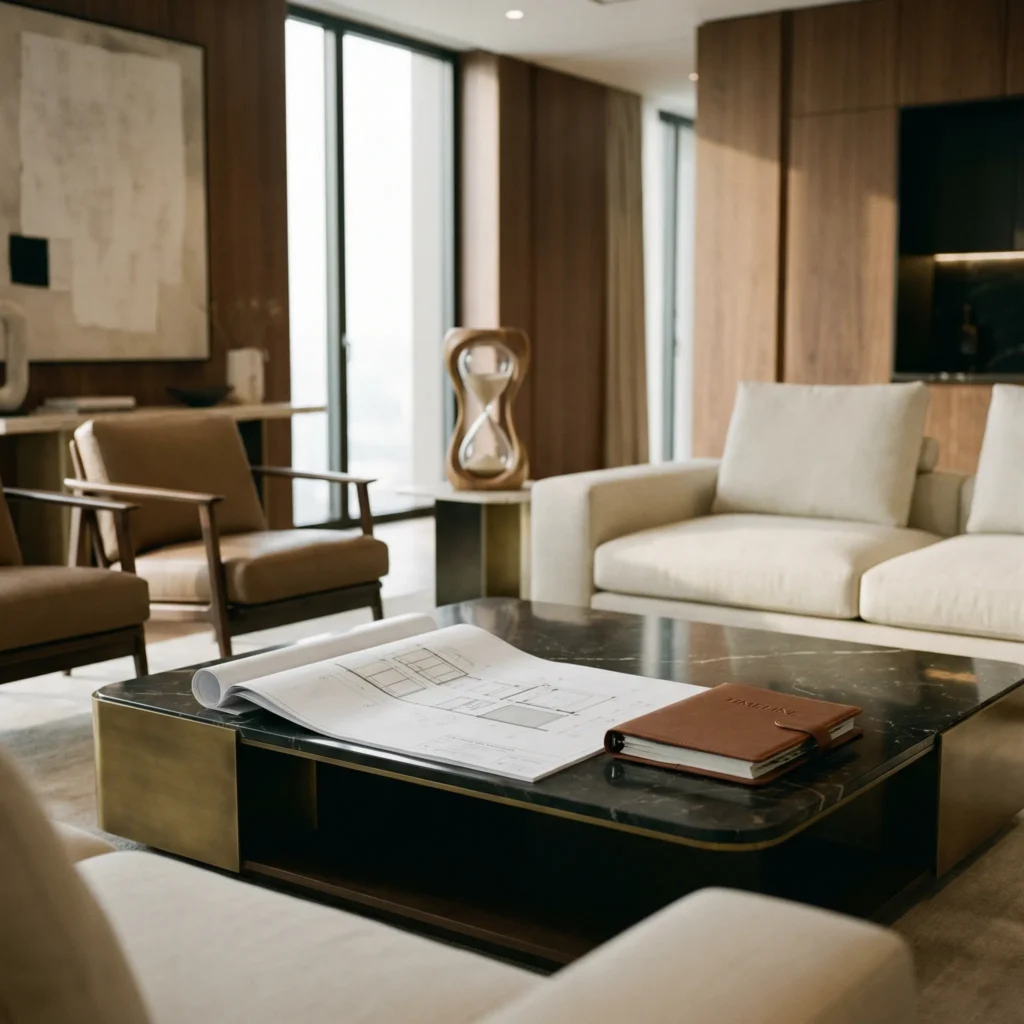
Technická koordinácia: Náklady na zmeškané spojenia
Súčinnosť medzi nábytkom a konštrukciou je hlbšia ako estetika, je rozmerová a technická. Presný stredový bod jedálenského stola na mieru určuje umiestnenie rozvodnej skrine pre päťmiestny luster. Hĺbka multimediálnej konzoly určuje presné rozmiestnenie zapustených zásuviek a dátových portov.
Ak sa tieto rozhodnutia odložia, stavebná čata je nútená “hádať a umiestňovať”, čo má za následok nesprávne nastavené osvetlenie alebo nedostupné elektrické body. Presné meranie je ďalšou vysoko rizikovou oblasťou. Podmienky prestavby sú len zriedka dokonale štvorcové. V prípade vstavaného nábytku musí dôjsť k záverečnému meraniu na stavbe po montáži sadrokartónu, ale pred vynechaním továrenských drážok. Disciplinovaný harmonogram umožňuje túto slučku “zmerať - overiť - vyrobiť”, čím sa predchádza prerábkam na poslednú chvíľu, ktoré mnohí mylne považujú za “meškanie dodávky”.”
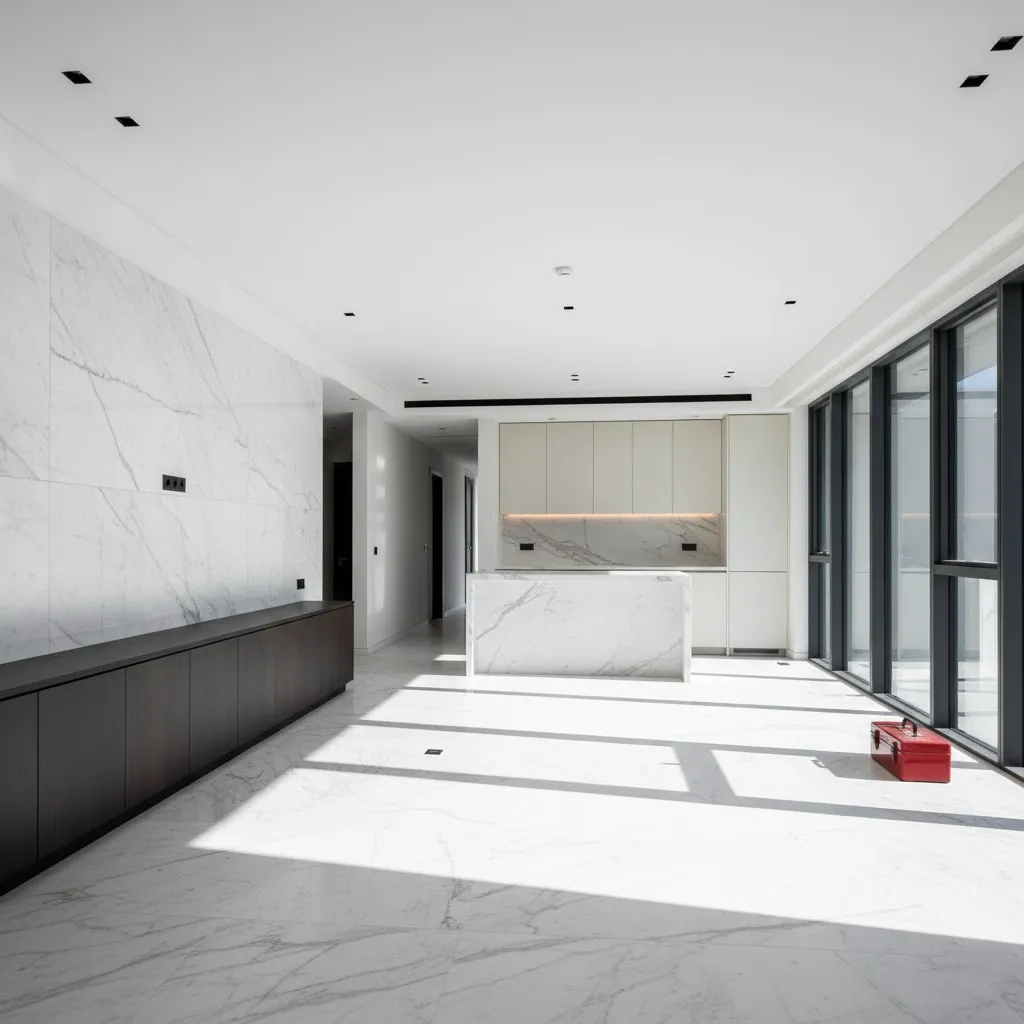
Stratégie obstarávania na zmiernenie rizika
Úspešná prestavba si vyžaduje harmonogram obstarávania, ktorý prebieha súbežne s harmonogramom výstavby. Tento živý dokument mapuje každý termín rozhodnutia, dodacie okno a míľnik inštalácie.
Náš prístup na jednom mieste využíva dve kľúčové stratégie:
Fázovanie: V prvej vlne dodávok uprednostňujeme “základné funkčné prvky” (postele, jedáleň, pohovky), ktoré umožňujú klientovi obývať domácnosť, zatiaľ čo sekundárne akcenty prichádzajú v druhej, nerušivej fáze.
Strategická substitúcia: Ak sa určitý materiál náhle ocitne v celosvetovom nedostatku, ponúkame vybrané alternatívy, ktoré zachovávajú rozsah, ergonómiu a odolnosť pôvodného dizajnu, čím sa zabezpečí, že dátum nasťahovania zostane nedotknutý bez toho, aby sa obetoval špičkový dojem.
"Skryté" vplyvy na rozpočet a logistiku
Tlak na čas realizácie je často skrytým tlakom na rozpočet. Snaha “urýchliť” zákazkovú objednávku 12 týždňov pred 20-týždňovým cyklom vedie k prehnaným poplatkom za leteckú prepravu a nákladom na prácu. Logistika si navyše vyžaduje vlastný špecializovaný harmonogram.
V roku 2026 je orientácia v mestských stavebných predpisoch - ako sú rezervácie výťahov, povolenia na parkovanie pre 53-metrové nákladné vozidlá a prísne protokoly o ochrane podlahy - špecializovanou zručnosťou. Logistiku považujeme za základnú zložku časového plánu. Tým, že si rezervujeme termíny dodávok mesiace vopred a určujeme poradie príchodu veľkých položiek pred menšími, zraniteľnými doplnkami, chránime rozpočet klienta aj integritu novo dokončenej stavby.
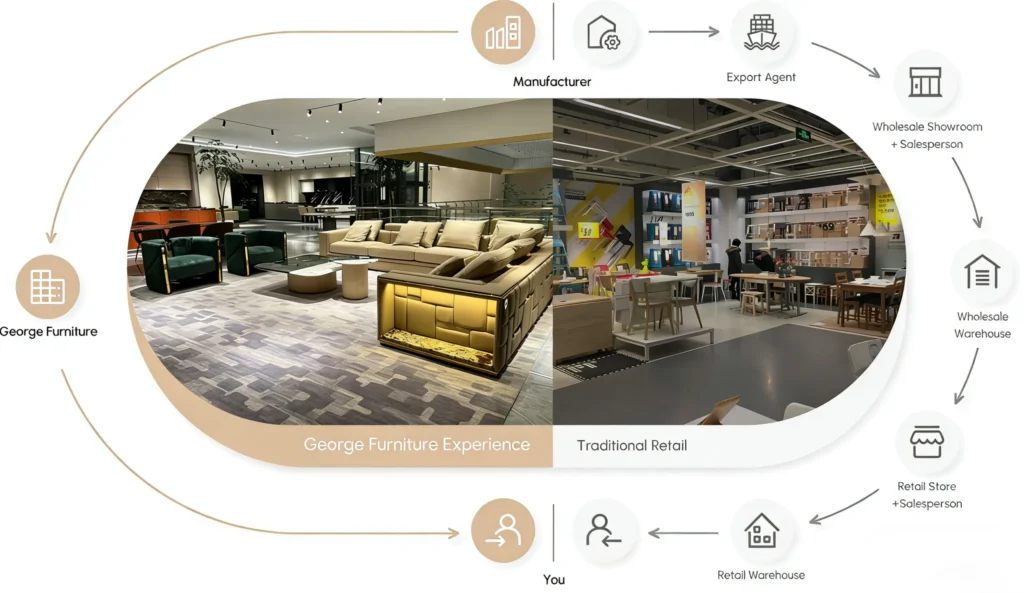
Rozhodovací rámec pre bezproblémovú integráciu
Na transformáciu rušivého prekvapenia na riadený vstup využívame trojbodový disciplinárny rámec:
Skorý zámok: Počas architektonickej fázy zmrazte rozloženie a hlavné rozmery “kotviacich prvkov”, aby ste získali informácie o umiestnení inžinierskych sietí.
Technické overenie: Pred ukončením fázy “hrubej stavby” potvrďte všetky požiadavky na montáž a voľný priestor.
Synchronizácia pripravenosti: Zostavte plán inštalácie, ktorý rešpektuje čas vytvrdnutia povrchovej úpravy (napr. zabezpečenie úplného odplynenia podlahových tmelov) a protokoly o ochrane staveniska.
Rozdelením nábytku do kategórií podľa jeho vplyvu na stavbu zabezpečíme, že prechod zo “staveniska” do “domova” bude jedinou slávnostnou udalosťou, a nie roztriešteným šesťmesačným bojom.
Záver: Váš domov, synchronizovaný
Luxus je definovaný absenciou trenia. V spoločnosti George Furniture Group sú naše služby na zákazku pre celý dom navrhnuté tak, aby preklenuli medzeru medzi plánom architekta a konečnou zariadenou realitou. Nábytok nielen predávame, ale zvládame aj zložitý priesečník času, priestoru a remeselnej zručnosti.
Môže sa vám tiež páčiť
Čierna drevená televízna konzola Zakrivené dvere Design Blokové nohy Moderná minimalistická úložná skriňa
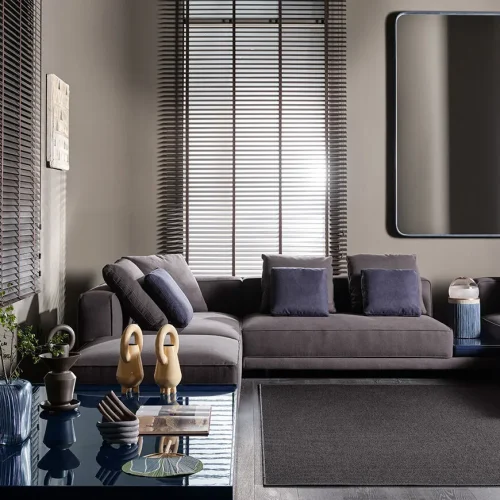
Modulárny systém pohovky Geometrický dizajn Integrované bočné stoly Prémiové čalúnenie
Ste pripravení začať vlastnú transformáciu? Spolupracujte so spoločnosťou George Furniture, aby ste získali bezproblémový zážitok z renovácie na vysokej úrovni, ktorá prinesie vaše predstavy.
👉 Preskúmajte naše komplexné služby prispôsobenia
Viac informácií nájdete v našich často kladených otázkach
Čo je to norma E0?
Stránka Štandard E0 je jedným z najprísnejších európskych a medzinárodných kritérií pre emisie formaldehydu v kompozitných drevených výrobkoch. Obmedzuje úrovne emisií na $\le$ 0,5 mg/l, čím sa zabezpečí vynikajúca kvalita vzduchu v interiéri. Výber materiálov triedy E0 je nevyhnutný pre špičkový nábytok s ohľadom na zdravie, ktorý uprednostňuje environmentálnu bezpečnosť.
Môžete mi pomôcť s rozmiestnením nábytku a plánovaním priestoru?
Rozhodne! Naše odborné znalosti v oblasti rozmiestnenia nábytku a plánovania priestoru zabezpečia optimalizáciu dopravného toku, funkčnosť a vizuálnu rovnováhu vo vašom priestore.
Môžete mi pomôcť s výberom farieb a povrchových úprav?
Určite! Naši dizajnéri vám poskytnú odborné poradenstvo pri výbere farieb a povrchových úprav, ktoré najlepšie doplnia váš priestor, štýl a existujúce prvky.
Dokážete pracovať s existujúcim nábytkom a dekorom?
Určite! Do našich dizajnových plánov môžeme integrovať existujúce prvky a vytvoriť tak harmonickú kombináciu starých a nových prvkov, aby sme optimalizovali funkčnosť a vizuálnu príťažlivosť.
Služby zákazníkom.
Po-Sa, 9:00-18:00 EST.
Zavolajte nám.
+86 18188718632
Kontaktujte nás
Adresa
24 Blok, CASA Keramický a sanitárny trh, Jihua 4 Road, okres Chancheng, Foshan City, Guangdong, Čína
Váš košík
(0)

Poznámka k objednávke
Odhad prepravy
Kupón
Porovnanie produktov
| Popis |
| Cena |
| Predajca |
| Typ |
| Varianty produktu |
- Výberom výberu sa obnoví celá stránka.
- Otvorí sa v novom okne.
Pridané do košíka
Pozrite sa do nášho obchodu a zistite, čo je k dispozícii