Empieza a diseñar hoy mismo para comprar las mejores ofertas de Año Nuevo


Productos más buscados
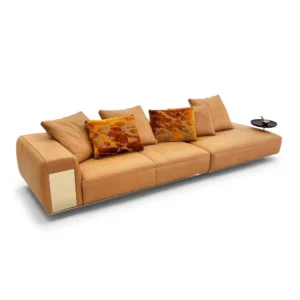
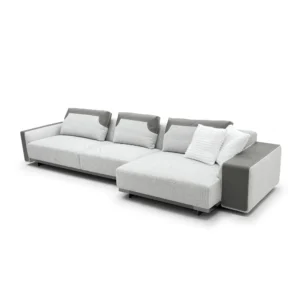
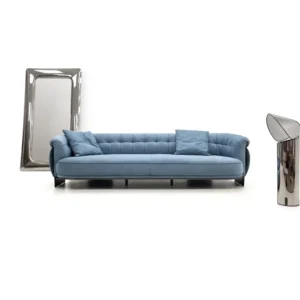
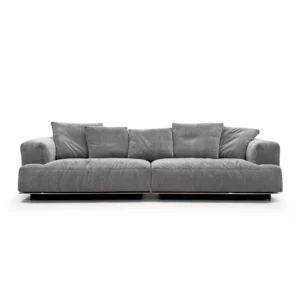
Palabras clave más buscadas
What Furniture Brand Is Better than Ashley? A Guide to Upgrading Your Home
Updated 09/03/26
When homeowners begin their interior design journey, Ashley Furniture is often the initial point of entry due to its global accessibility and trendy, budget-friendly designs. However, as your appreciation for interior architecture matures and your lifestyle demands higher levels of durability and soul, the question inevitably shifts from “What is affordable?” to “What furniture brand is better than Ashley?” In the sphere of high-end home furnishing, “better” is a multi-dimensional metric that encompasses three core pillars: heirloom-quality construction, superior raw materials, and bespoke customization. Moving beyond mass-produced particle board is about more than just aesthetics; it is about investing in a home that serves as a true reflection of your unique identity and a sanctuary that withstands the test of time.
Defining the "Ashley Standard" vs. Premium Tiers
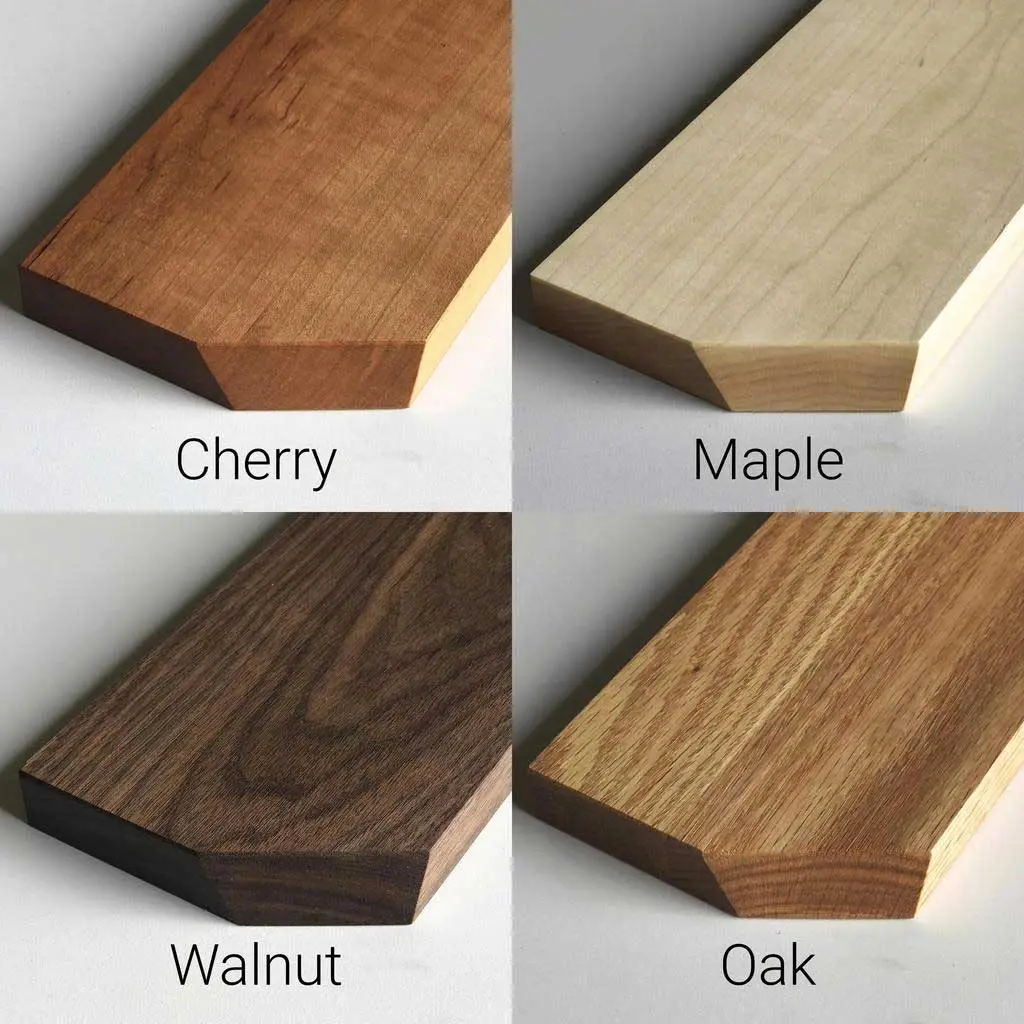
To truly understand what makes a brand superior, we must first analyze the baseline of mass-market manufacturing, which primarily prioritizes “Value Engineering.” This process involves utilizing MDF (medium-density fiberboard), thin veneers, and low-density foam cushions to maintain a low retail price, often at the expense of structural longevity. In contrast, a “better” brand flips this script by utilizing kiln-dried hardwoods like maple, oak, or walnut—which won’t warp or crack—and employing the gold standard of upholstery: eight-way hand-tied springs. These premium tiers also swap out “bonded” leathers that peel for full-grain hides and high-performance fabrics that develop a beautiful patina and remain resilient against daily wear and tear for decades.
High-End Retail Alternatives: The "Better" Tier
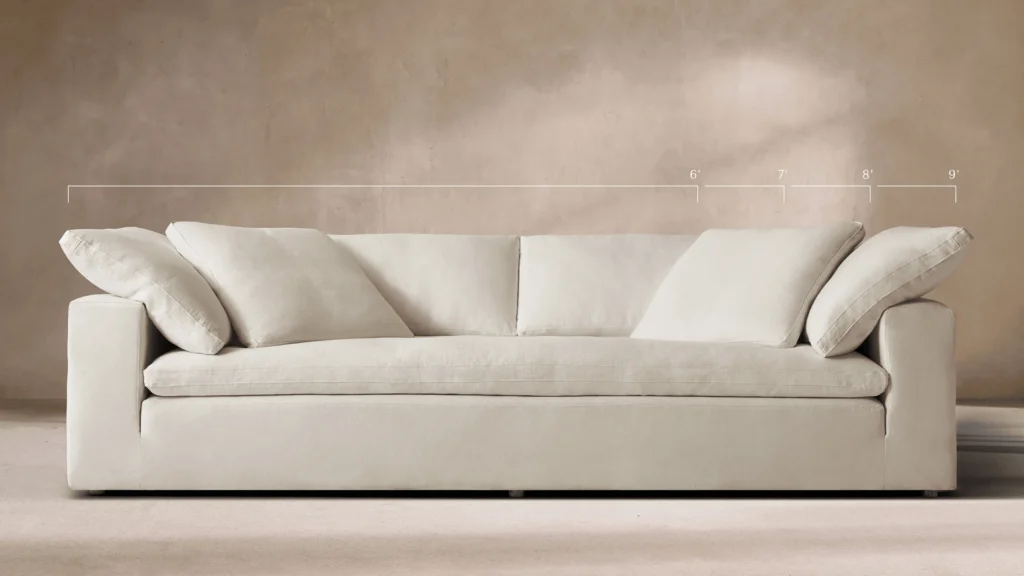
For those who appreciate the convenience of a curated showroom but require a significant leap in quality and design, several established brands offer an elevated alternative to the Ashley experience. Brands like Arhaus have built their reputation on eco-conscious, artisan-crafted pieces that tell a story through reclaimed wood and hand-forged iron, offering a “collected” look rather than a generic set. Similarly, Restoration Hardware (RH) has set the benchmark for those seeking architectural scale and sophisticated, monochromatic palettes, focusing on defining a space through massive silhouettes rather than simply filling a room. These alternatives provide a bridge for the consumer who is ready for a more robust construction and a more refined, designer-level aesthetic.
The Ultimate Tier: Bench-Made and Heritage Brands
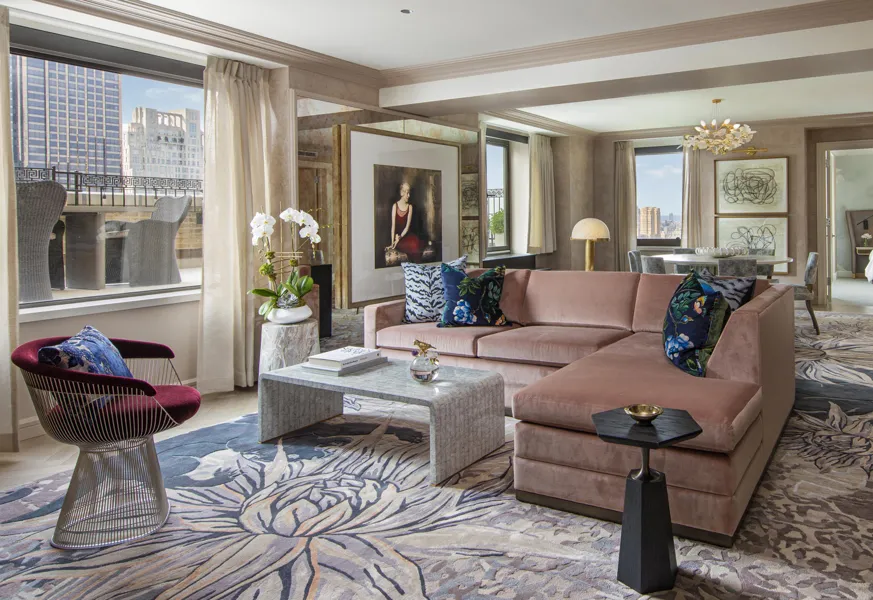
For the most discerning homeowners, even high-end retail can sometimes feel too “templated,” leading them toward heritage brands that utilize traditional bench-made techniques. Names like Hickory Chair and Baker Furniture are frequently found in luxury estates because their pieces are often made to order by singular craftsmen rather than on an assembly line. These brands bridge the gap between high-fashion aesthetics and generational durability, partnering with world-renowned designers to create museum-quality pieces that hold their value over time. Investing in this tier means acquiring furniture that is intended to be passed down as an heirloom, functioning as a permanent asset within your family’s estate.
Why "Custom" is the Only True Furniture Upgrade
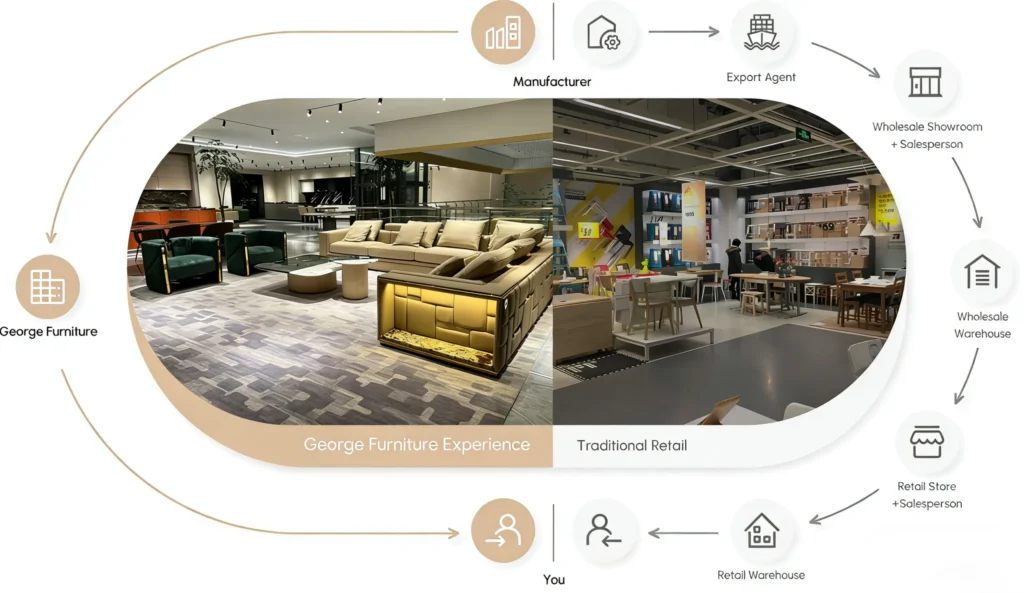
As a provider of one-stop whole-house customization, we believe the definitive answer to what is “better” than a mass-market brand isn’t found in a different logo, but in a completely different philosophy of living. Custom furniture solves the “square peg, round hole” problem by allowing for precision scaling that fits your home’s specific architectural footprint—whether you are dealing with vaulted ceilings or awkward alcoves. Furthermore, customization offers “Material Sovereignty,” where you choose the exact density of your down-wrap cushions and the precise durability rating of your fabrics. This ensures that the visual weight of your furniture is in perfect harmony with your room, while also being engineered to survive the specific demands of your household, from pets to high-sun exposure.
The Cost-Per-Year Logic of Furniture Investment
A common hurdle for consumers is the initial price gap, but an intelligent budget allocation reveals that high-end furniture is often the more economical choice in the long run. While an entry-level sofa might cost $800, its functional lifespan is typically only three to five years before the frame begins to creak or the foam sags, resulting in a cost of roughly $200 per year. In contrast, a high-end custom sofa costing $4,000 is engineered to last twenty years or more, bringing the annual cost down to $200 or less while providing a vastly superior experience. Choosing a brand better than Ashley isn’t about spending more; it is about stopping the cycle of “disposable furniture” and investing in a perpetual home that maintains its comfort and integrity.
Transitioning from Entry-Level to High-End Custom
If you are currently living with entry-level furniture and wish to upgrade your environment, we recommend a strategic “Anchor Piece” approach to ensure a cohesive transition. Start with the sofa, as it is the most utilized item in the home and the piece where you will most immediately feel the difference in structural quality every single day. Next, invest in solid wood “case goods” like dining tables and dressers, which can be refinished and moved multiple times unlike veneer pieces that are easily ruined by a single deep scratch. Finally, consulting with a one-stop custom provider allows you to ensure that your wood finishes, fabric tones, and metal accents are consistent throughout the entire house, creating a unified, high-end atmosphere that mass-market retailers simply cannot replicate.
Conclusion: Making the Conscious Choice for Your Home
While mass-market brands serve a purpose for temporary living situations, your “forever home” deserves the emotional resonance that only high-end and custom solutions can provide. There is a profound psychological shift that occurs when you move from living in a room full of boxes to a space where every grain of the walnut table and every curve of the armchair was chosen specifically for you. At George Furniture team, we don’t just provide furniture that is superior to mass-market brands; we provide a curated, high-performance lifestyle. If you are ready to stop settling for “good enough” and start designing for “exceptional,” our bespoke whole-house solutions are the essential next step in your design journey.
También le puede interesar
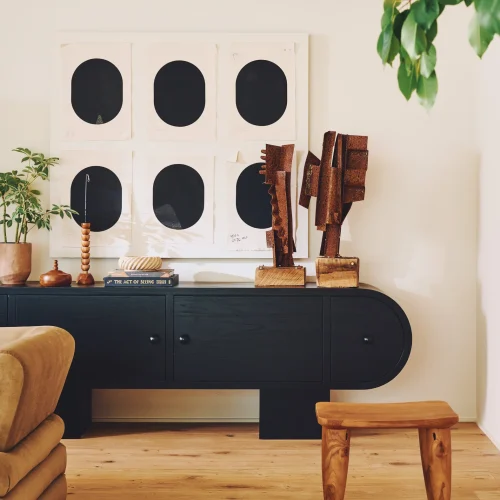
Consola de TV de madera negra Puerta curvada Diseño Piernas del bloque Gabinete de almacenaje minimalista moderno
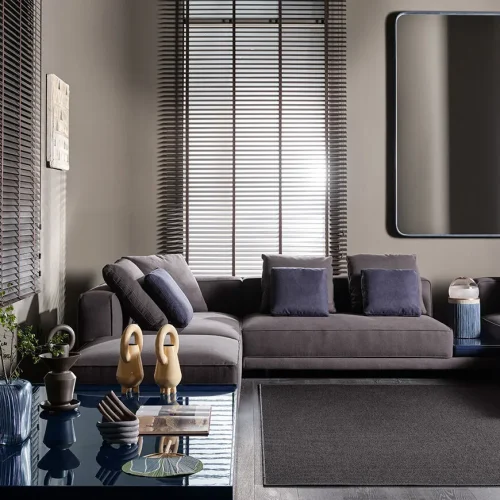
Sistema modular de sofás Diseño geométrico Mesas auxiliares integradas Tapicería Premium
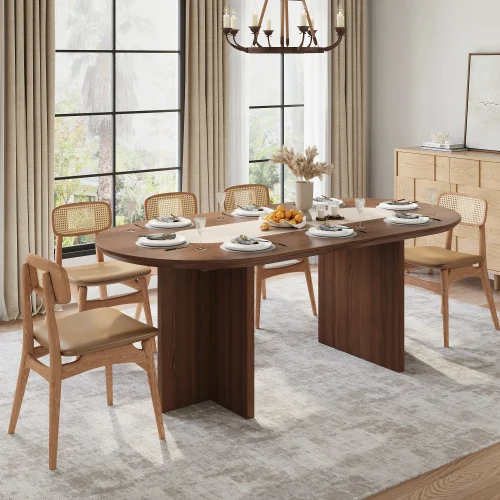
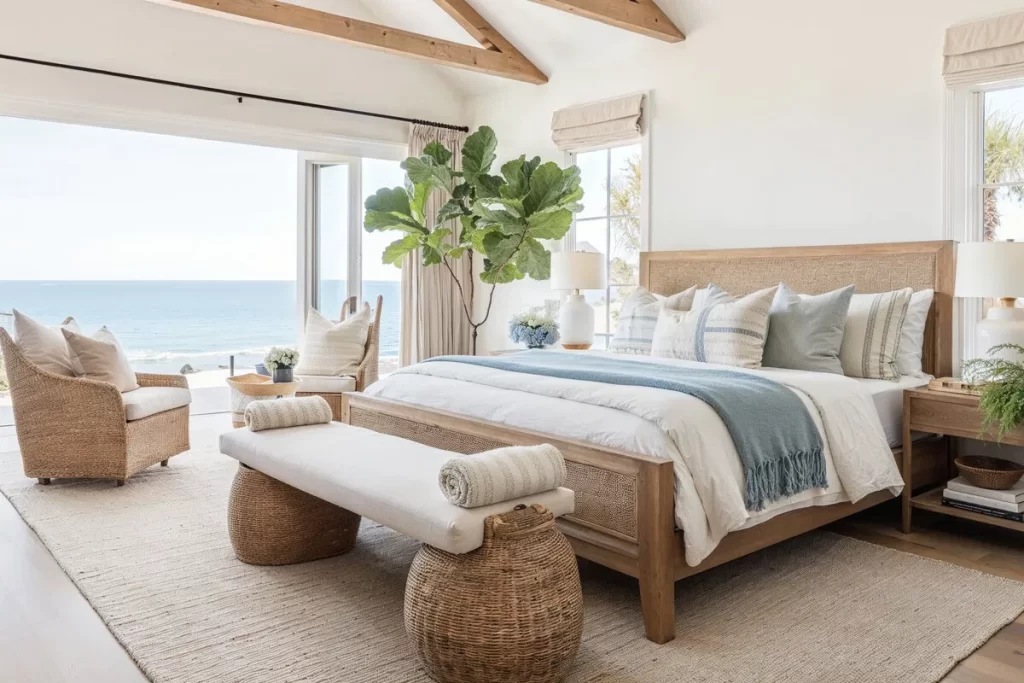
Ready to start your own transformation? Partner with George Furniture for a seamless, high-end renovation experience that brings your vision to life.
👉 Explore Our One-Stop Customization Services
Más información en nuestras FAQ
Why is custom furniture considered better than Ashley?
While Ashley focuses on mass production and affordability, custom furniture prioritizes architectural fit, material sovereignty, and longevity. Custom pieces use kiln-dried hardwoods and high-performance fabrics tailored to your specific home dimensions and lifestyle, ensuring a “perfect fit” that mass-market brands cannot replicate.
Which brands offer better durability than entry-level furniture?
Brands such as Arhaus, Restoration Hardware (RH), and heritage names like Hickory Chair or Baker Furniture are known for superior durability. They utilize high-end construction methods like eight-way hand-tied springs and solid wood frames, which significantly outlast the MDF and veneer construction found in entry-level brands.
How can I tell if a sofa is high-quality?
Look for three main indicators: the frame material (solid hardwood vs. particle board), the suspension system (eight-way hand-tied springs vs. sinuous wires), and the fabric/leather grade. A high-quality sofa will feel heavy, have a sturdy frame that doesn’t creak, and offer consistent support across the cushions.
Is it worth investing in expensive furniture?
Yes, from a “cost-per-year” perspective. Entry-level furniture often needs replacing every 3-5 years. In contrast, high-end custom furniture can last 20 years or more. Investing upfront in quality reduces furniture waste and ensures your home maintains its aesthetic and comfort levels over the long term.
Atención al cliente.
De lunes a sábado, de 9 a 18 h EST.
Llámenos.
+86 18188718632
Ponte en contacto
Dirección
Bloque 24, CASA Ceramic & Sanitary Ware Market, Jihua 4 Road, Distrito de Chancheng, Ciudad de Foshan, Guangdong, China
Su cesta
(0)

Nota de pedido
Envío estimado
Cupón
Comparación de productos
| Descripción |
| Precio |
| Vendedor |
| Tipo |
| Variantes de productos |
- Al seleccionar una opción, se actualiza toda la página.
- Se abre en una nueva ventana.
Añadido a la cesta
Visite nuestra tienda para ver los productos disponibles