Start Your Design Today To Shop The Best New Year Deals
Language/Country

Most searched products
Most searched keywords
2026 Luxury Interior Design Trends: The Rise of Conscious Opulence
Updated 17/01/26

In the evolving landscape of high-end interior design, 2026 marks a significant pivot. We are moving beyond mere aesthetics into an era of Conscious Opulence—a philosophy where luxury is defined not by excess, but by intention, authenticity, and a deep connection to personal and planetary well-being. The post-pandemic desire for sanctuary has matured into a demand for homes that are holistically nurturing, technologically seamless, and expressive of a refined individual ethos. For discerning homeowners and design enthusiasts, understanding these trends is key to creating spaces that are both timeless and forward-looking.
Biophilic Design 2.0: Beyond the Potted Plant
The integration of nature is no longer a stylistic choice but a foundational principle for wellness. In 2025, biophilic design evolves into a sophisticated, multi-sensory experience.
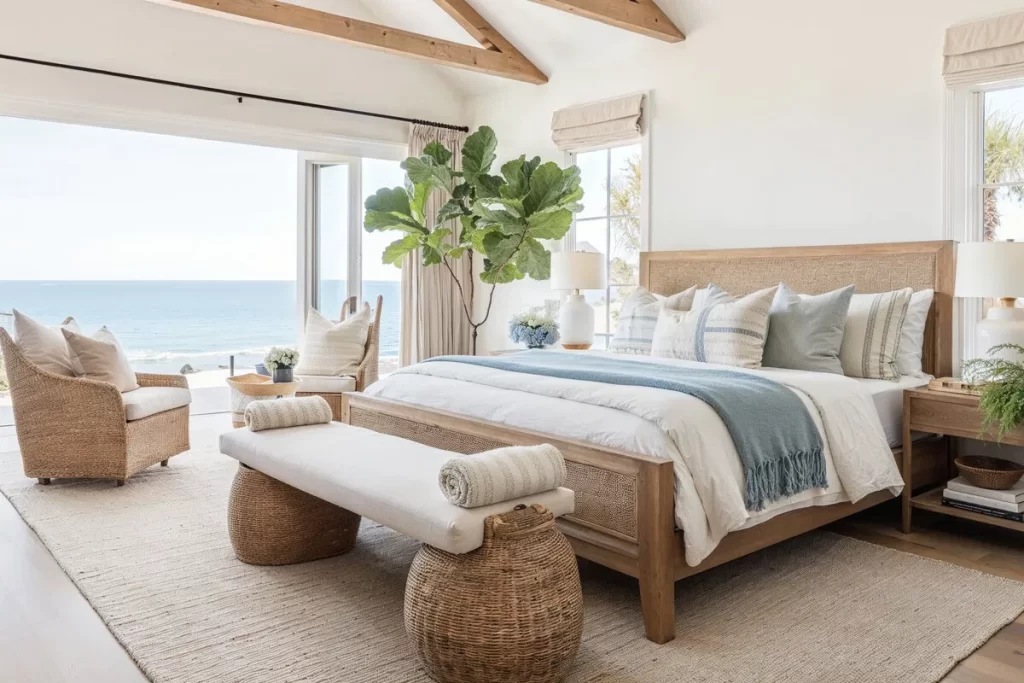
The Texture of the Earth: Surfaces mimic organic formations. Expect to see pit finishes on plaster walls that recall wind-swept stone, fluted wood and cast concrete that emulate natural strata, and biomorphic forms in furniture that mirror organic shapes. The palette draws directly from landscapes: deep clay reds, mineral ochres, mossy greens, and muted sky blues.
Sensory Integration: Advanced homes will incorporate algorithmic soundscapes that play subtle forest or water sounds and dynamic lighting systems that mimic the sun’s daily journey, regulating circadian rhythms. This isn't just decoration; it's environmental programming for mental and physical restoration.
The New Artisanal: Wabi-Sabi and Craft Renaissance
In defiance of mass production, 2026 celebrates the beauty of the imperfect and the human hand. This trend is a direct channel to infuse soul and story into your space.
Wabi-Sabi as a Philosophy: This Japanese concept, embracing transience and imperfection, is manifest in hand-thrown ceramic vessels with irregular glazes, burnt wood finishes (Shou Sugi Ban), linen and hemp textiles with inherent slubs, and unsealed, naturally patina-ing metals. The allure lies in the unique narrative each piece carries.
Local and Heritage Craft: Sourcing is becoming part of the design story. Bespoke pieces from local ceramicists, weavers, and blacksmiths are prized. Look for custom, hand-knotted rugs, artisanal blown-glass lighting, and furniture built by regional craftspeople using traditional techniques. This not only ensures uniqueness but also supports sustainable, small-scale production—a new dimension of conscious consumption.

Sculptural Furniture & Architectural Volume
Furniture transcends function to become art, and architecture turns inward to define intimate spaces within the open plan.
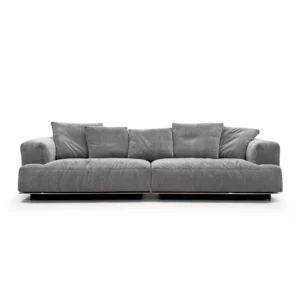
Furniture as Focal Art: The era of invisible, purely functional furniture is over. Key pieces are bold, singular statements. Think of a freeform, monolithic sofa in a luxe bouclé, a dining table with an organic, sculptural base reminiscent of a branching tree, or a lighting fixture that is a dramatic wireform sculpture. These pieces command attention and define the room's character.
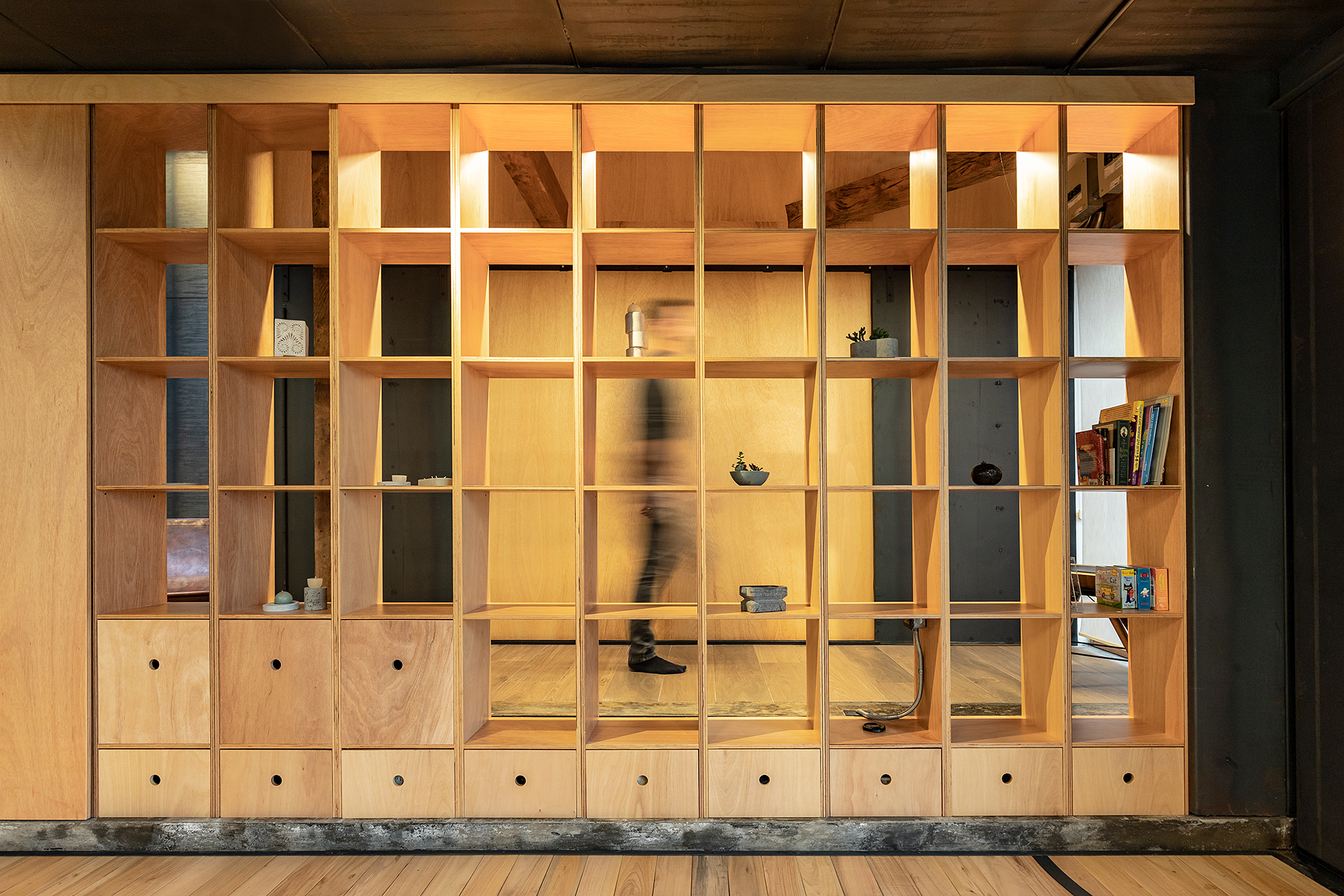
The Return of the "Room" (Soft Architecture): The open floor plan is being thoughtfully broken up. Instead of walls, designers use built-in, curved room dividers, floating half-walls, and strategically placed floor-to-ceiling cabinetry to create niches, nooks, and defined areas for different moods—a reading corner, a conversation pit, a dedicated tech-free zone. This creates intimacy and visual interest within expansive spaces.

Dopamine Décor & Maximalist Confidence
A vibrant counterpoint to minimalist serenity, this trend is about curated, personal joy.
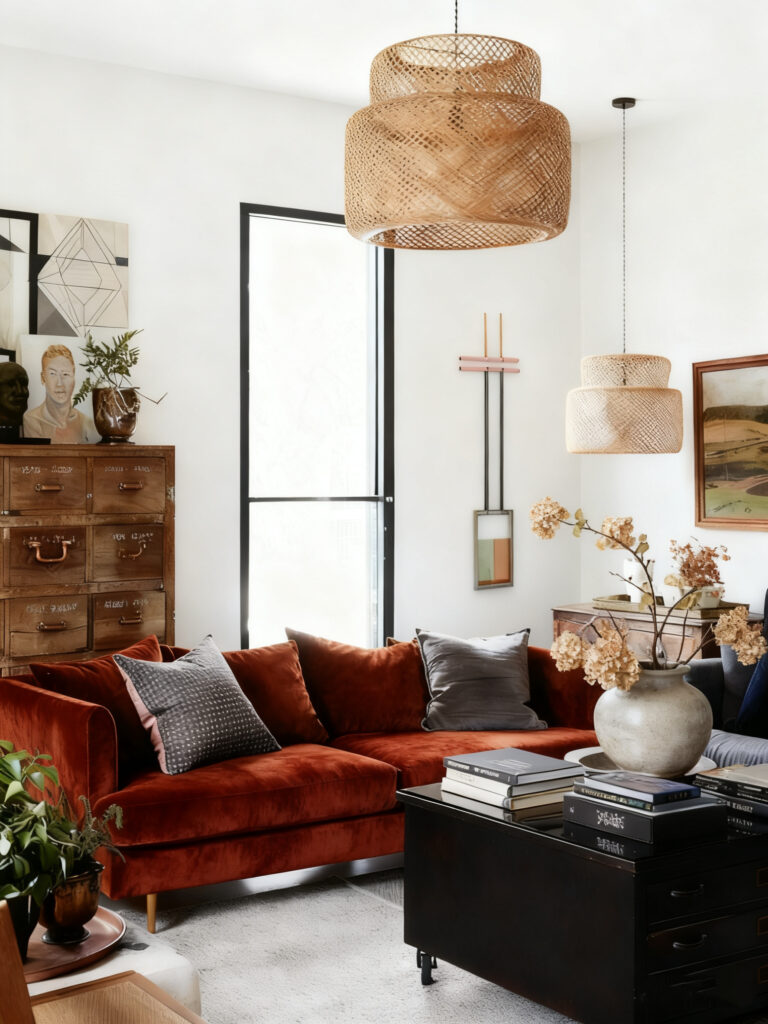
Saturated and Jewel-Toned Palettes: Walls and major furnishings are embracing deep, confident colors: emerald green, sapphire blue, amethyst purple, and rich burgundy. These are often balanced with warm neutrals or metallic accents to prevent overwhelm and maintain a sense of luxury.
Layered, Personal Curation: Maximalism in 2026 is controlled and meaningful. It’s about the artful layering of inherited antiques with contemporary art, collections of books or objects displayed en masse, and bold, large-scale patterned wallpapers on a feature wall. The goal is a space that feels intensely personal, layered with stories and visual stimulation that sparks joy.

The Smart Home: Invisible, Intuitive, and Integrated
Technology in the luxury home has one mandate: to be felt, not seen. It should enhance experience, not dominate it.
Seamless Aesthetic Integration: Tech disappears into the architecture. Think of wireless, architectural speakers embedded in walls and ceilings, disappearing motorized TV mounts, voice- and touch-controlled lighting/climate/AV systems with minimalist interfaces, and smart glass that transitions from clear to opaque.
Wellness-Optimized Systems: This is the true frontier. Advanced air purification and monitoring systems, water filtration that balances pH and mineralization, and sleep-optimizing bedroom environments (controlling temperature, light, and sound) are becoming standard in high-end projects. The home becomes an active partner in health.

Sustainable Opulence: The Non-Negotiable Standard
True luxury is now inherently responsible. Sustainability is woven into the very fabric of material choices.
Circular and Regenerative Materials: The focus is on materials that give back. This includes FSC-certified woods, recycled metals and glass, bio-fabrics made from seaweed or mushroom mycelium, and regenerative wool and cotton. The provenance and lifecycle of every material are considered.
Investment Pieces & Heirloom Quality: The "buy less, buy better" ethos is paramount. Furniture is chosen for its timeless design, repairability, and exceptional craftsmanship—pieces designed to be loved and passed down. This directly challenges disposable culture and aligns with the artisanal trend, emphasizing emotional and environmental value.
The Synthesis of 2025's Design Ethos
The unifying thread of 2025's luxury interior trends is intentionality. Whether through the wellness-driven principles of Biophilic Design 2.0, the soulful authenticity of the New Artisanal movement, the bold statements of Sculptural Furniture, the joyful confidence of Dopamine Décor, the seamless support of Invisible Technology, or the ethical foundation of Sustainable Opulence, each trend calls for mindful choice.

The modern luxury home is no longer a showroom; it is a personal ecosystem. It is a sanctuary that nurtures, a gallery that inspires, a canvas for personal expression, and a testament to conscientious living. By embracing these pillars of Conscious Opulence, you create a space that is not only beautiful but also deeply resonant, sustainable, and unequivocally of the moment—a true home for the future.
To us, design has a broader purpose and as you can read about on this website, we are on a mission.
Discover your unique decorating style with our fast, easy, and accurate interior style quiz!
Customer Service.
Mon-Sat, 9am-6pm EST.
Call Us.
+86 18188718632
Get in Touch
Address
24 Block, CASA Ceramic & Sanitary Ware Market, Jihua 4 Road, Chancheng District, Foshan City, Guangdong, China
Your cart
(0)
Order note
Estimate Shipping
Coupon
Product Comparison
| Description |
| Price |
| Vendor |
| Type |
| Product variants |
- Choosing a selection results in a full page refresh.
- Opens in a new window.
Added to cart
Check out our shop to see what's available