ابدأ تصميمك اليوم لتسوق أفضل عروض العام الجديد

المنتجات الأكثر بحثًا

الكلمات المفتاحية الأكثر بحثاً
Avoid Common Pitfalls: What Really Harms Your Furniture and Why
Updated 26/12/25

Hate to toss out your furniture? You don’t need to once you learn about furniture’s worst damages and what causes them right here.
Have you ever wondered about the amount of furniture discarded annually in the United States? As reported by the New York Times, Americans dispose of more than 12 million tons of furniture every year. A common belief is that the furniture being thrown away is simply poorly made or out of style.
Yet, even well-crafted furniture can meet the same fate. Why? Much like other household items, furniture is susceptible to wear and damage over time, especially with rough handling. To prevent having to part with your once-beloved pieces, it helps to understand the various types of harm that can affect furniture and the reasons behind them.
Environmental Factors: The Silent Killers
Nature is often the primary cause of degradation in premium wood and leather pieces.
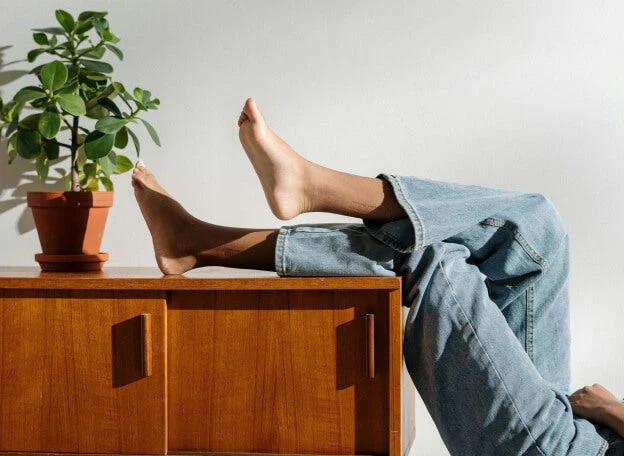
Humidity Fluctuations: Extreme dry or damp conditions cause wood to expand and contract. This leads to warping, cracking, and joint separation. In custom cabinetry, improper acclimation of boards can lead to doors that no longer close flush.
UV Exposure (Sun Damage): Direct sunlight triggers a chemical reaction in finishes and fabrics. This results in photodegradation, causing vibrant upholstery to fade and clear wood coats to turn yellow or brittle.
Thermal Shock: Placing furniture too close to HVAC vents or fireplaces can dry out natural oils in wood and leather, leading to premature aging.
![{"source_type":"douyin_beauty_me","data":{"os":"ios","stickerId":"","activityName":"","playId":"","enter_from":"enter_launch","effect_type":"tool","capability_key":["erase"],"product":"retouch","infoStickerId":"","capability_extra_v2":{"erase":[{"panel":"eliminatePen"}]},"imageEffectId":"","effect_id":"erase","pictureId":"4CCCB275-C6B0-43DA-ACD0-C5B7F7420211","filterId":"","appversion":"13.7.0"}}](https://georgefurniturehome.com/wp-content/uploads/elementor/thumbs/Humidity-Fluctuations-scaled-rgpmbqgyubi8cr86g2jdx45qoi9p75u6wjxuueehzc.jpg "Humidity Fluctuations")
![{"data":{"appversion":"13.7.0","enter_from":"enter_launch","os":"ios","activityName":"","effect_id":"edit","playId":"","capability_extra_v2":{"edit":[{"panel":"composition"}]},"filterId":"","pictureId":"243CC680-6B66-441A-A3BA-113589733E87","imageEffectId":"","product":"retouch","infoStickerId":"","effect_type":"tool","capability_key":["edit"],"stickerId":""},"source_type":"douyin_beauty_me"}](https://georgefurniturehome.com/wp-content/uploads/elementor/thumbs/UV-Exposure-Sun-Damage-rgpmdbt4f7oq0yww59bmn7oux0f38p5tgfqh4a1hfs.jpg "UV Exposure (Sun Damage)")
Structural and Mechanical Failures
Structural integrity is the backbone of luxury furniture. Most damages in this category stem from poor engineering or misuse.
![{"data":{"product":"retouch","stickerId":"","pictureId":"D713B809-8F22-4038-A024-D1921E56ACBD","infoStickerId":"","appversion":"13.7.0","capability_key":["erase"],"imageEffectId":"","playId":"","capability_extra_v2":{"erase":[{"panel":"eliminatePen"}]},"enter_from":"enter_launch","effect_type":"tool","effect_id":"erase","activityName":"","filterId":"","os":"ios"},"source_type":"douyin_beauty_me"}](https://georgefurniturehome.com/wp-content/uploads/elementor/thumbs/Hardware-Failure-scaled-rgpmica4vejry3mqvfbzxy5cyzpkal2a58zp9elw94.jpg "Hardware Failure")
Joint Fatigue: High-end pieces often use mortise-and-tenon joints. Damage occurs when weight limits are exceeded or when pieces are dragged across floors rather than lifted, causing the joints to loosen.
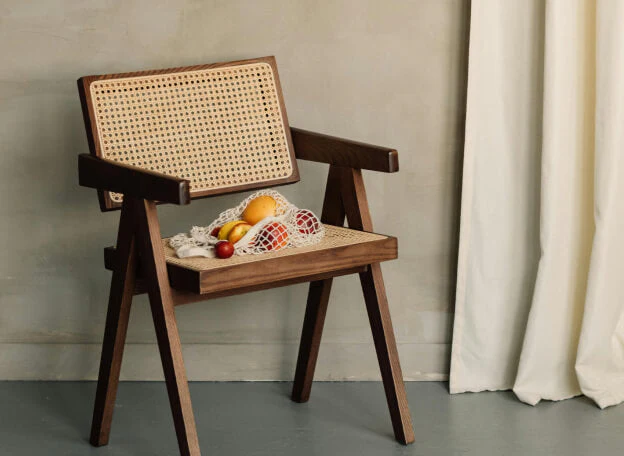
Hardware Failure: In bespoke cabinetry, the most common “damage” is actually the failure of hinges and drawer slides. Using sub-standard hardware in a heavy custom door leads to sagging and misalignment.
Inadequate Support: Large custom tables or long shelving units often suffer from deflection (sagging) if the span-to-thickness ratio isn’t calculated correctly.
Chemical and Liquid Stains
Even the most expensive finishes have vulnerabilities.
Oxidation and Ring Marks: The classic "white ring" is caused by moisture trapped under the finish. Conversely, "black spots" usually indicate that water has reached the raw wood and reacted with the tannins.
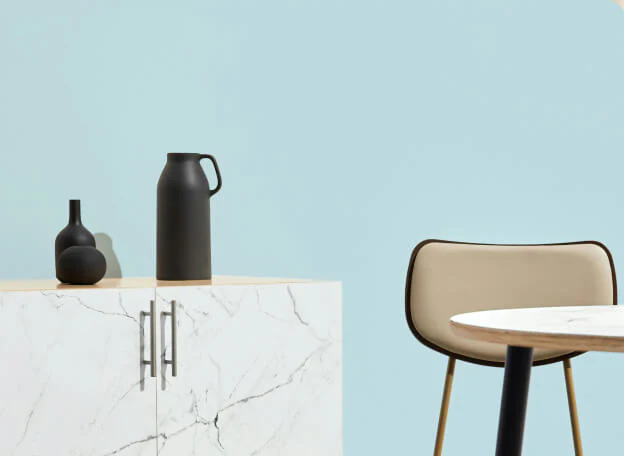
Chemical Etching: Many household cleaners contain ammonia or alcohol, which strip the protective topcoat of custom lacquered furniture, leaving the surface dull and prone to scratches.

Biological and Accidental Damage
Microbial Growth: In poorly ventilated spaces, mold can penetrate the porous surfaces of solid wood and upholstery foam, often requiring professional remediation.
Abrasive Scratches: Most surface damage is accidental, caused by dust (which acts as a fine sandpaper) or pet claws. In high-end customization, choosing "high-scratch-resistance" (e.g., PET or Excimer finishes) is the best preventative measure.
Prevention: The Designer’s Checklist
![{"source_type":"douyin_beauty_me","data":{"stickerId":"","imageEffectId":"","appversion":"13.7.0","activityName":"","os":"ios","capability_extra_v2":{"erase":[{"panel":"eliminatePen"}]},"effect_id":"erase","filterId":"","playId":"","product":"retouch","enter_from":"enter_launch","effect_type":"tool","capability_key":["erase"],"pictureId":"17880D43-7D88-4959-9084-B87D50E5A99D","infoStickerId":""}}](https://georgefurniturehome.com/wp-content/uploads/elementor/thumbs/Oxidation-and-Ring-Marks-scaled-rgpnspngtb95k5gg0mqpd9vnbte0n5x18gipgdwgaw.jpg "Oxidation and Ring Marks")
To avoid the causes of damage mentioned above, focus on these three pillars during your whole-house customization process:
Material Selection: Match the material to the environment (e.g., use moisture-resistant boards in coastal areas).
Hardware Specs: Always specify heavy-duty, soft-close hardware for oversized custom doors.
Finish Quality: Opt for UV-resistant topcoats and high-performance fabrics (Performance Fabrics) that offer stain and abrasion resistance.
![{"source_type":"douyin_beauty_me","data":{"infoStickerId":"","effect_type":"tool","os":"ios","stickerId":"","product":"retouch","imageEffectId":"","filterId":"","enter_from":"enter_launch","pictureId":"2D42D4A3-9CFB-4004-8E7D-972B2A8DF7B0","activityName":"","effect_id":"erase","appversion":"13.7.0","playId":"","capability_extra_v2":{"erase":[{"panel":"eliminatePen"}]},"capability_key":["erase"]}}](https://georgefurniturehome.com/wp-content/uploads/elementor/thumbs/Chemical-Etching-scaled-rgpns7sj7gk4yyu3kucc0sjvnndub0yy8imnb63yjk.jpg "Chemical Etching")
Furniture damage is rarely the result of a single event; it is usually a cumulative process. By understanding the causes of furniture damage, you can work with your designer to select materials and construction methods that stand the test of time.
Geroge Furniture Home has all the information you need to choose the best furniture for your home, from a vanity table to an office desk.

بالنسبة لنا، التصميم له هدف أوسع، وكما يمكنك أن تقرأ عنه في هذا الموقع، نحن في مهمة.
اكتشف أسلوبك الفريد في الديكور من خلال اختبار التصميم الداخلي السريع والسهل والدقيق الذي نقدمه لك!
خدمة العملاء.
من الإثنين إلى السبت، 9 صباحاً - 6 مساءً بتوقيت شرق الولايات المتحدة.
اتصل بنا.
+86 18188718632
تواصل معنا
العنوان
24 بلوك، سوق CASA للسيراميك والأدوات الصحية, طريق جيهوا 4، منطقة تشانتشنغ, مدينة فوشان، قوانغدونغ، الصين
عربة التسوق الخاصة بك
(0)
مذكرة الطلب
تقدير الشحن
الكوبون
مقارنة المنتجات
| الوصف |
| السعر |
| البائع |
| النوع |
| متغيرات المنتج |
- يؤدي اختيار التحديد إلى تحديث الصفحة بالكامل.
- يفتح في نافذة جديدة.
تمت الإضافة إلى سلة التسوق
تحقق من متجرنا لمعرفة ما هو متوفر لدينا