Language/Country

Most searched products
Most searched keywords
Floating Your Furniture: Mastering the Art of the Center-Room Sofa
Updated 30/12/25

For decades, interior design followed a strict, unwritten rule: furniture belongs against the walls. We pushed our sofas, bookshelves, and desks to the perimeter, leaving a vast, empty “no-man’s land” in the center of the room. But as open-concept living becomes the standard and architectural layouts get more creative, designers are embracing a more sophisticated technique: floating the sofa.
Placing your sofa in the middle of the room—away from the walls—can feel intimidating. You might worry about exposed backs, messy cords, or disrupting the "flow." However, when done correctly, a floating sofa acts as an anchor that defines zones, improves traffic flow, and makes a room feel more intentional and high-end.
If you find yourself in a position where the sofa has to be in the middle of the room, don't view it as a challenge—view it as a design opportunity. Here is your comprehensive guide to making it work beautifully.
Define the Purpose: Zoning Your Space
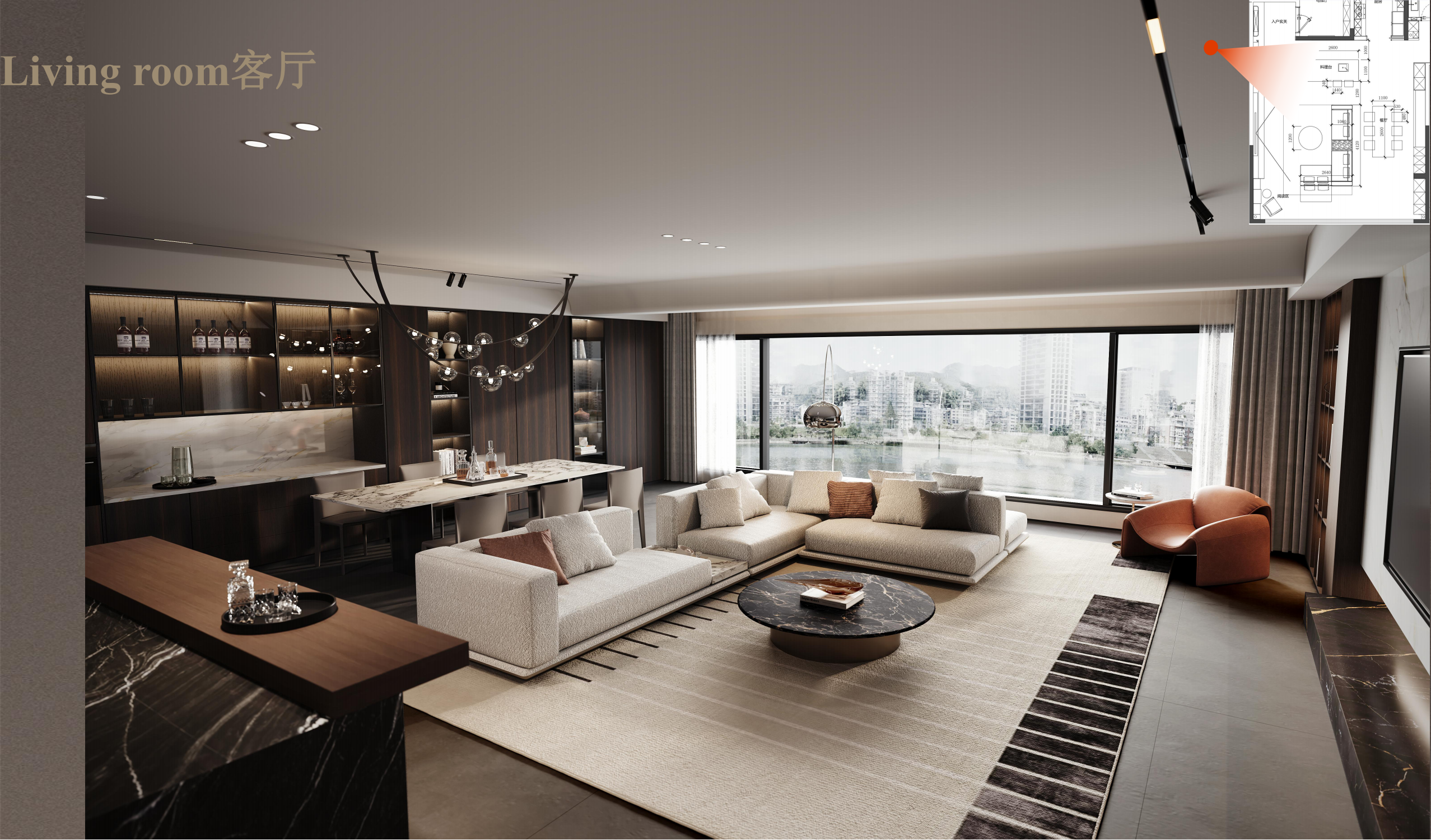
The biggest advantage of a floating sofa is its ability to act as a room divider. This is particularly useful in "Great Rooms" or studio apartments where one large space must serve multiple functions.
The Living-Dining Split: Place the back of the sofa toward the dining table. This creates a psychological boundary that tells your brain, "The eating area ends here, and the relaxation area begins there."
The Entryway Buffer: If your front door opens directly into the living area, a floating sofa can create a faux hallway. By placing the sofa a few feet away from the door with its back to the entrance, you create a private seating enclave that isn't immediately exposed to the foyer.
The Power of the Console Table
One of the most common complaints about floating a sofa is the "view of the back." Let's be honest: not all sofas are designed to be seen from behind. Some have utilitarian fabric or visible staples.
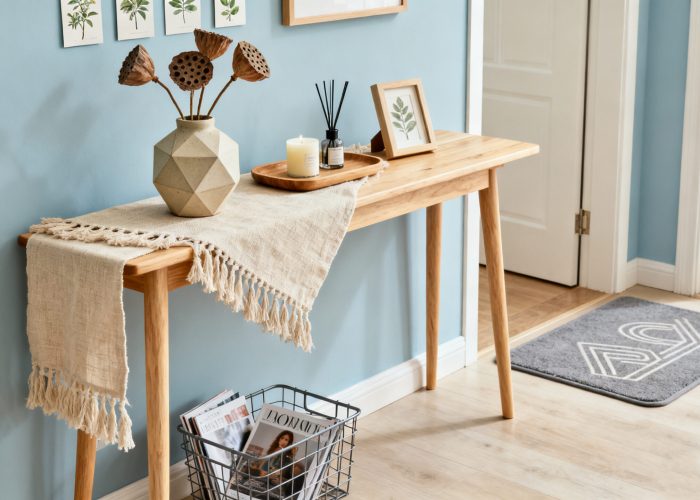
Visual Interest: It hides the “plain” back of the sofa and provides a surface for decor like tall lamps, books, or vases.
Functional Storage: It’s a perfect spot for keys, mail, or a place to set down a drink if you’re standing behind the seating area.
Lighting: It allows you to place table lamps in the center of the room, providing “middle-layer” lighting that makes the space feel cozy at night.
Ground the Arrangement with a Rug
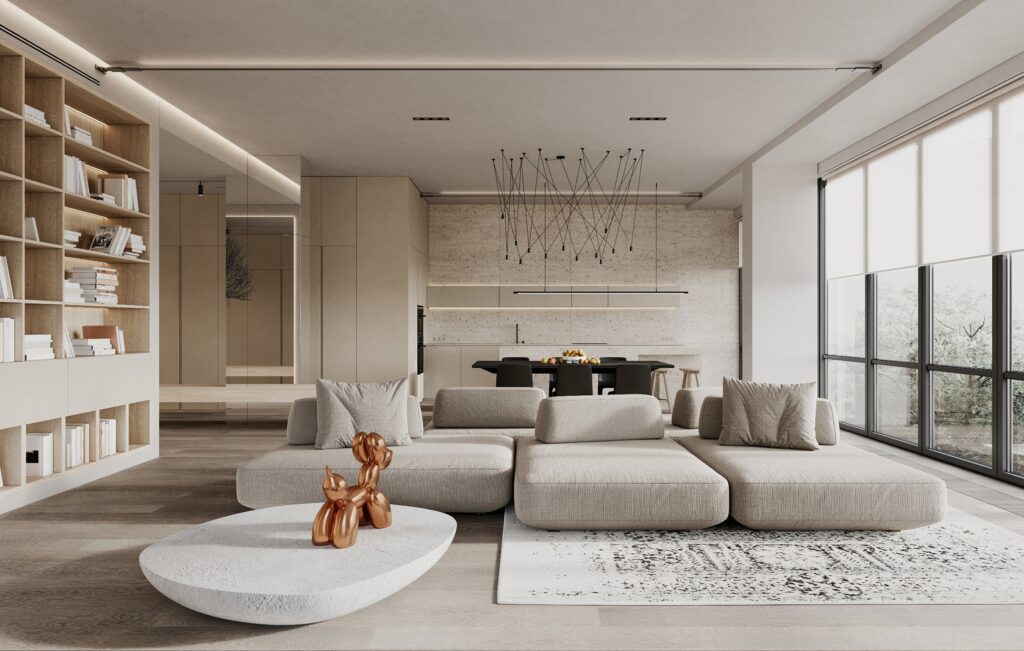
A sofa sitting alone in the middle of a room can look like it’s "drifting at sea." To prevent this, you must anchor the arrangement with a large area rug.
Solving the "Cord Problem"
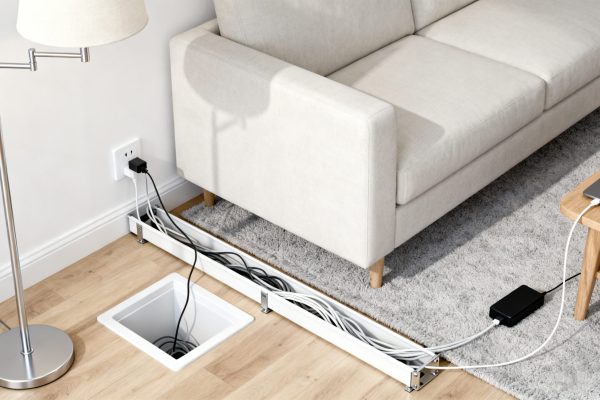
In a modern home, we need power. Whether it’s for a floor lamp, a laptop charger, or a powered recliner, having a sofa in the middle of the room often means dealing with unsightly power cords stretching across the floor.
Rug Concealment: If a floor outlet isn't an option, run slim, flat extension cords under your area rug to the nearest wall. (Note: Ensure the cord is rated for under-rug use to avoid heat buildup).
Cord Covers: Use decorative cord covers or "snakes" that match your flooring color to minimize the trip hazard and visual clutter.
Prevention: The Designer’s Checklist
To avoid the causes of damage mentioned above, focus on these three pillars during your whole-house customization process:
Material Selection: Match the material to the environment (e.g., use moisture-resistant boards in coastal areas).
Hardware Specs: Always specify heavy-duty, soft-close hardware for oversized custom doors.
Finish Quality: Opt for UV-resistant topcoats and high-performance fabrics (Performance Fabrics) that offer stain and abrasion resistance.
Design Strategies for Different Room Shapes
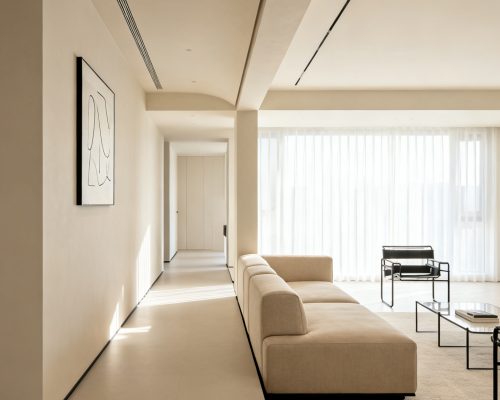
Long & Narrow
![{"source_type":"douyin_beauty_me","data":{"product":"retouch","appversion":"13.8.0","capability_key":["edit"],"imageEffectId":"","activityName":"","filterId":"","os":"ios","infoStickerId":"","enter_from":"enter_launch","stickerId":"","playId":"","effect_type":"tool","pictureId":"BF0A4445-F4A2-49B0-AE57-42317336EA19","capability_extra_v2":{"edit":[{"panel":"composition"}]},"effect_id":"edit"}}](https://georgefurniturehome.com/wp-content/uploads/elementor/thumbs/Open-Concept-rgwsys6u5pm2jl2i4qx0keckgqulwi2psh43zqaizk.jpg "Open Concept")
Open Concept
![{"source_type":"douyin_beauty_me","data":{"stickerId":"","filterId":"","product":"retouch","pictureId":"280B9CFE-0D40-43F3-85F4-7AA5686E35C7","playId":"","effect_type":"tool","imageEffectId":"","os":"ios","capability_extra_v2":{"edit":[{"panel":"composition"}]},"capability_key":["edit"],"activityName":"","infoStickerId":"","effect_id":"edit","appversion":"13.8.0","enter_from":"enter_launch"}}](https://georgefurniturehome.com/wp-content/uploads/elementor/thumbs/Small-Spaces-rgwsyyrphjv2susy2brejuosmfy6edsu5doico0rs0.jpg "Small Spaces")
Small Spaces
Pay Attention to Traffic Flow
The "Golden Rule" of floating furniture is maintaining clear pathways. Nothing makes a room feel cramped faster than having to shimmy around a sofa to get to the kitchen.
Sightlines: Ensure the sofa isn't so high that it blocks a beautiful view out of a window or creates a visual wall that makes the room feel smaller than it is.
Create Symmetry and Balance
When a sofa is against a wall, the wall does the heavy lifting for balance. When it’s floating, you have to create that balance yourself.
Height Variation: If your sofa is low-profile, balance it with a taller bookshelf against a nearby wall or a large potted plant (like a Fiddle Leaf Fig) next to the sofa to add vertical interest.
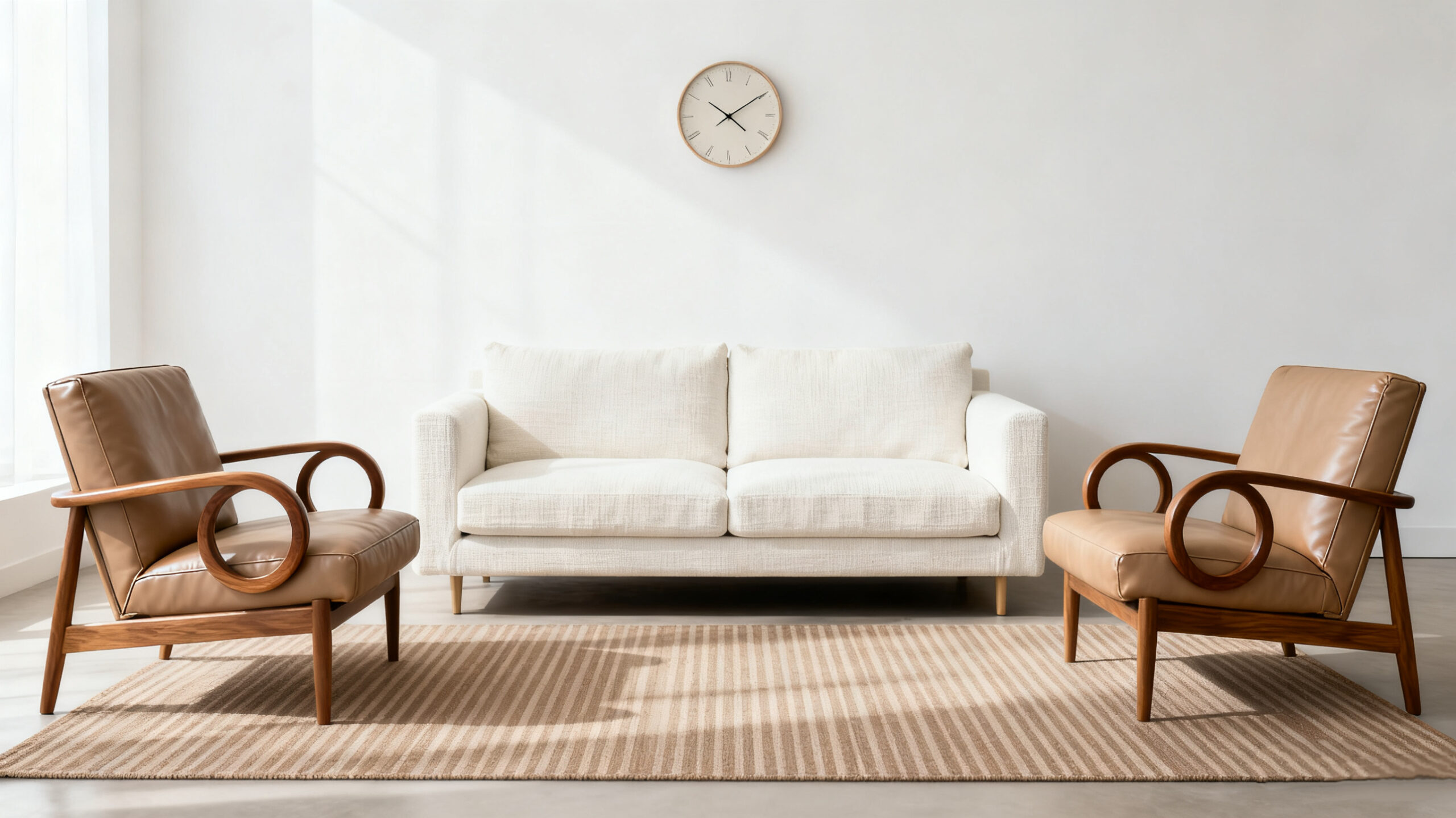
Don't Forget the "Behind-the-Sofa" Decor
Since the area behind the sofa is now a walkway, treat it like one!
Bench Seating: If you have extra space behind the sofa but not enough for a dining table, consider a low bench. It provides extra seating for parties without adding bulk.
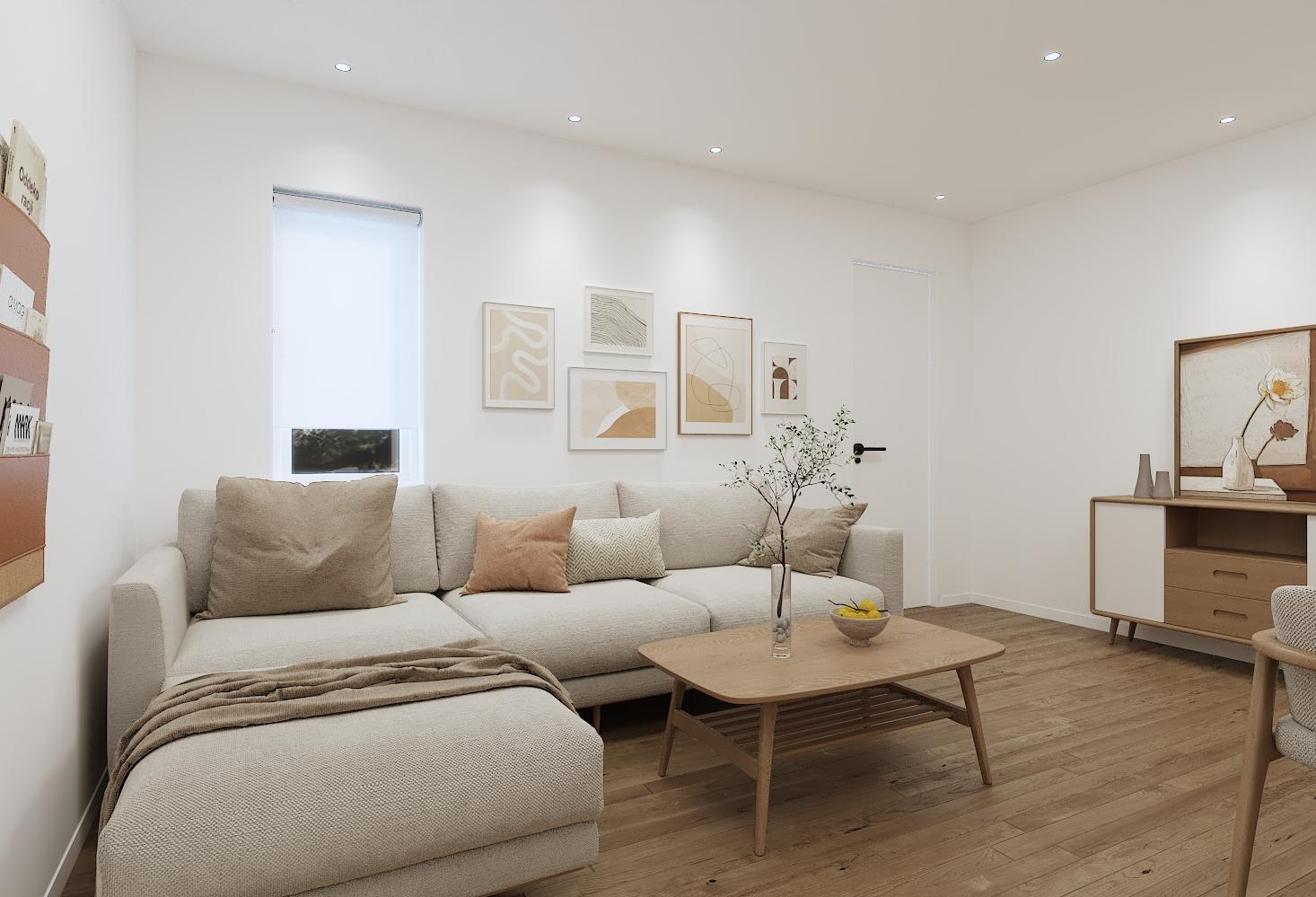
Floating your sofa is a hallmark of “grown-up” interior design. It signals that you aren’t just filling a room—you are curating a lifestyle. It encourages conversation, defines your daily activities, and gives your home a sense of architectural flow that “against-the-wall” layouts simply cannot match.
Next time you move into a new space or feel the itch to rearrange, don’t be afraid to pull that sofa into the light. With a great rug, a stylish console, and a bit of planning for your walkways, your “middle-of-the-room” sofa will become the most complimented feature of your home.
To us, design has a broader purpose and as you can read about on this website, we are on a mission.
Discover your unique decorating style with our fast, easy, and accurate interior style quiz!
Customer Service.
Mon-Sat, 9am-6pm EST.
Call Us.
+86 18188718632
Get in Touch
Address
24 Block, CASA Ceramic & Sanitary Ware Market, Jihua 4 Road, Chancheng District, Foshan City, Guangdong, China
Your cart
(0)
Order note
Estimate Shipping
Coupon
Product Comparison
| Description |
| Price |
| Vendor |
| Type |
| Product variants |
- Choosing a selection results in a full page refresh.
- Opens in a new window.
Added to cart
Check out our shop to see what's available